Nancy Azara

This work explored life cycles, utilizing the metaphor of tree for personhood. Egg tempera, often in reds and pinks, and aluminum, palladium, gold gilding recover these exposed layers, exploring folkloric stories of women’s roles, goddess imagery, ancient symbols, mystic spiritual traditions and affirmation of female self.
Nancy Azara was an artist and feminist educator best known for her large-scale wood sculptures and mixed media collages. Nancy developed a distinct style of sculpture - found wood, carved, ornamented and mounted. Instinctive chip carving peels off an outer layer of wood, reaching for an essentialized raw experience of the body, of the limbs, exposing flesh and blood. This work explored life cycles, utilizing the metaphor of tree for personhood. Egg tempera, often in reds and pinks, and aluminum, palladium, gold gilding recover these exposed layers, exploring folkloric stories of women’s roles, goddess imagery, ancient symbols, mystic spiritual traditions and affirmation of female self.
Nancy made and exhibited work from her studios in Tribeca and Woodstock. She was constantly challenging herself and her community in quarterly intergenerational feminist dialogues, (RE)PRESENT, an outgrowth of NYFAI, The New York Feminist Art Institute, a school she co-founded in 1979. Here, she formalized automatic journal drawing for a class she taught called "Visual Diaries, Consciousness Raising Workshop" as a way to access the unconscious. This method quickly became popular as a feminist consciousness-raising technique and was embraced in the nascent feminist art community in New York and with groups like Redstockings.
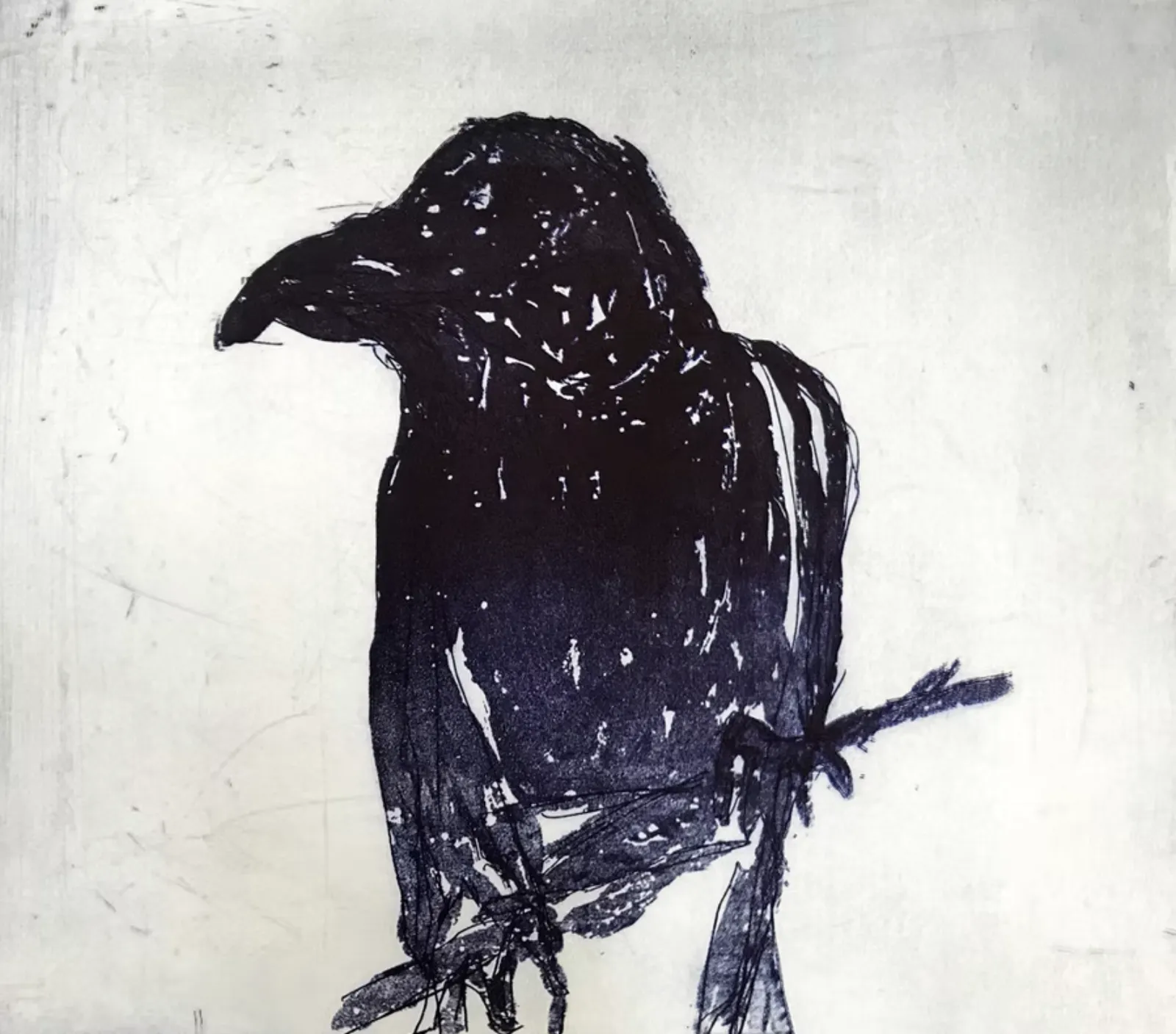


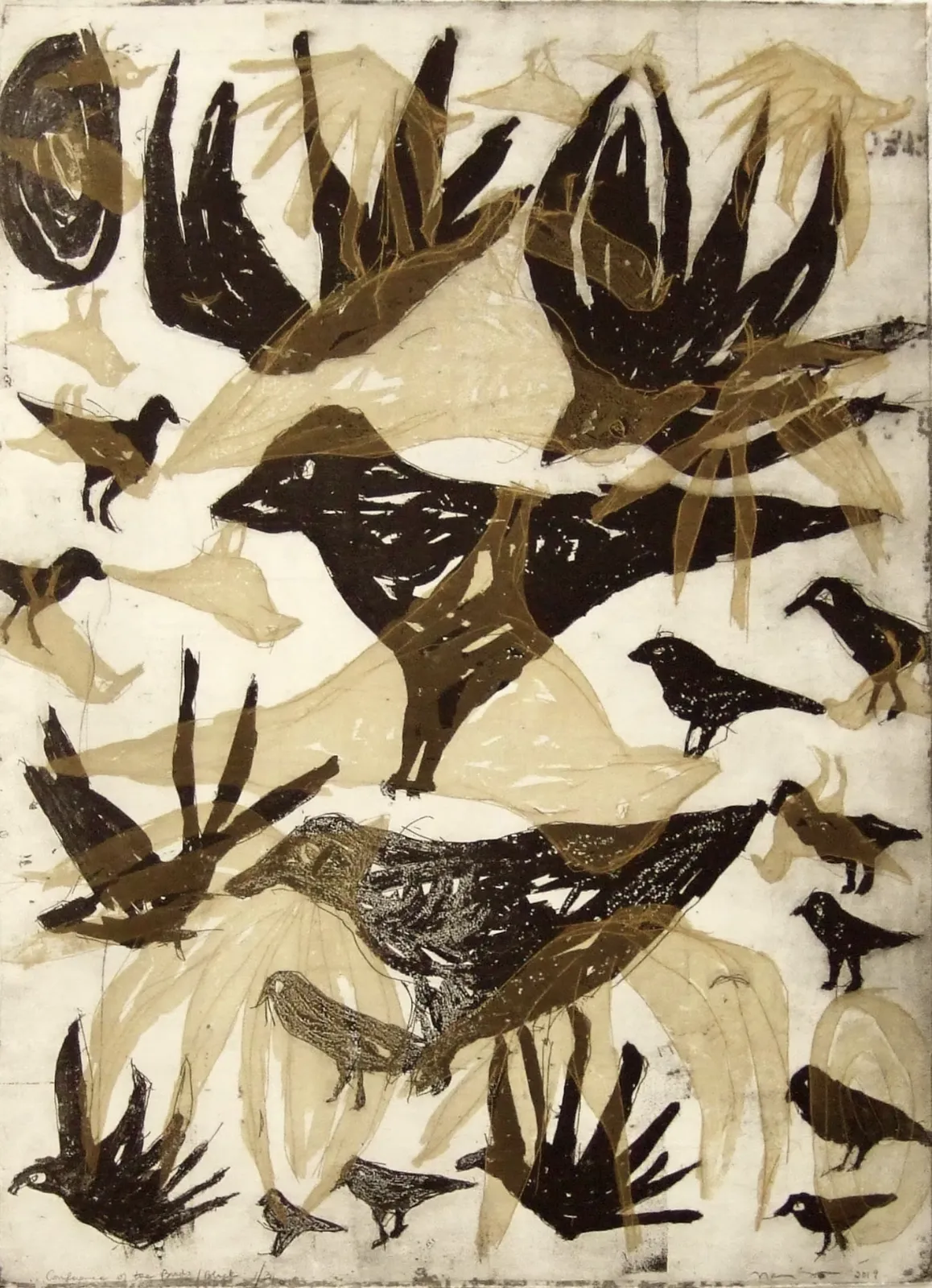

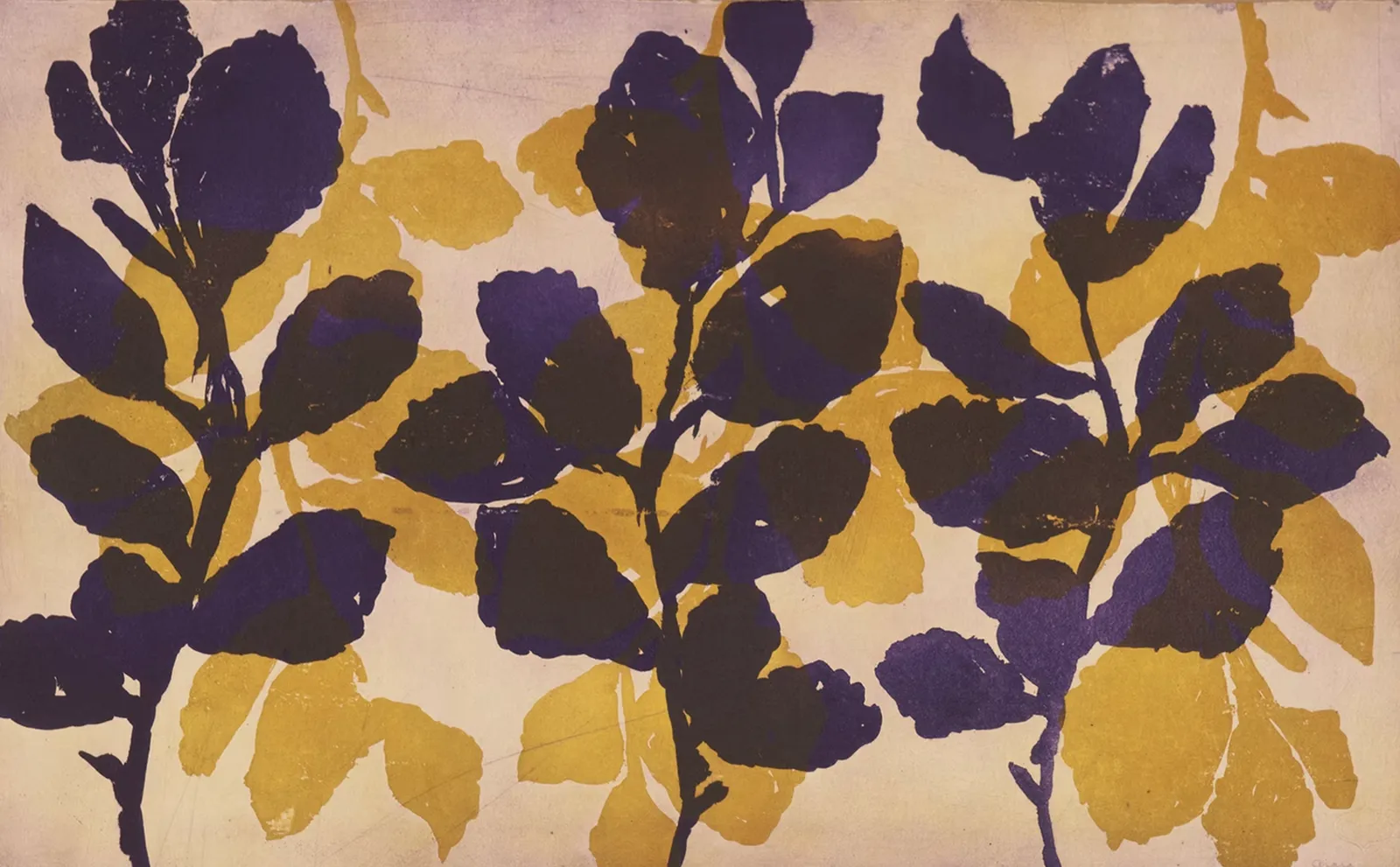


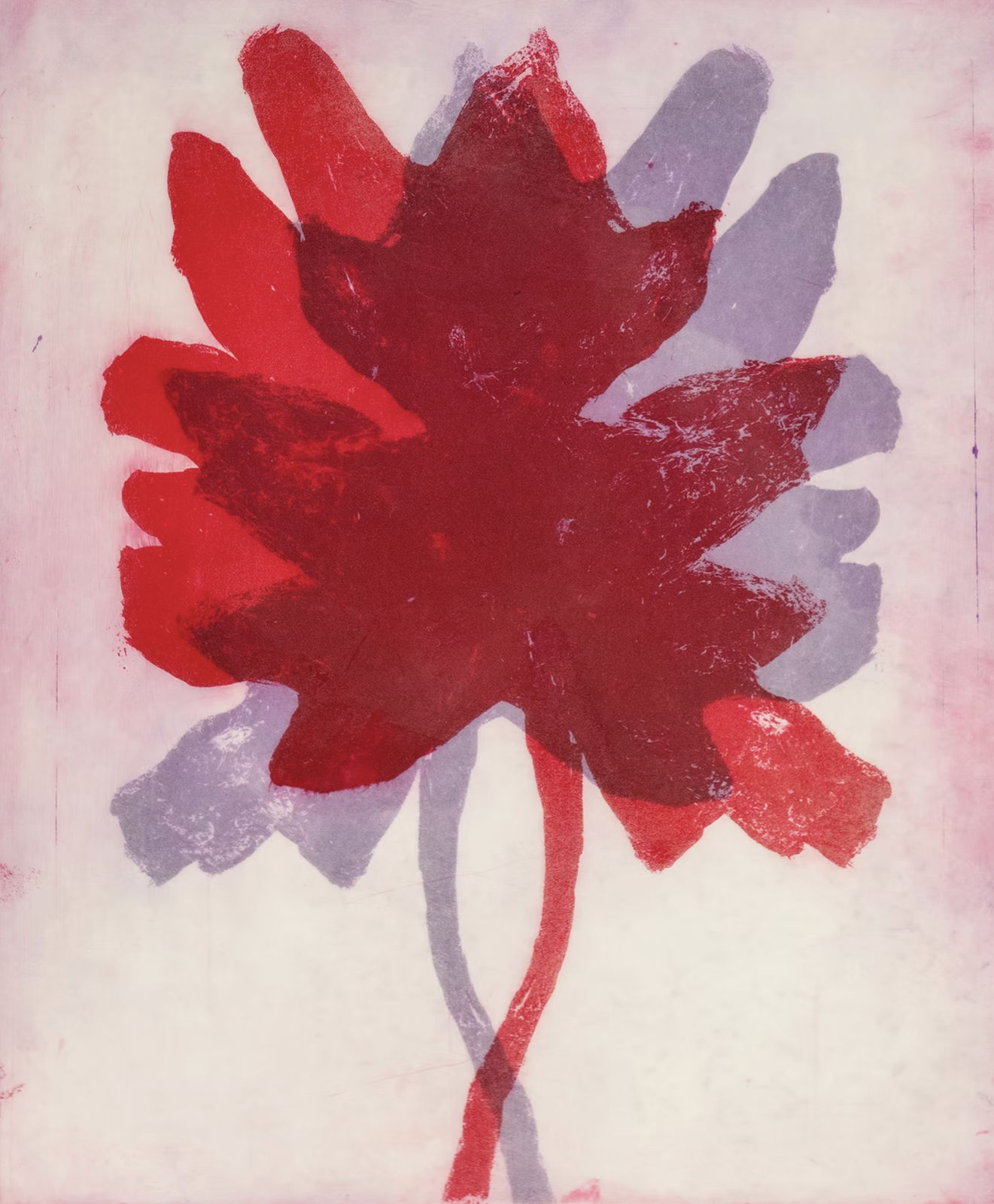
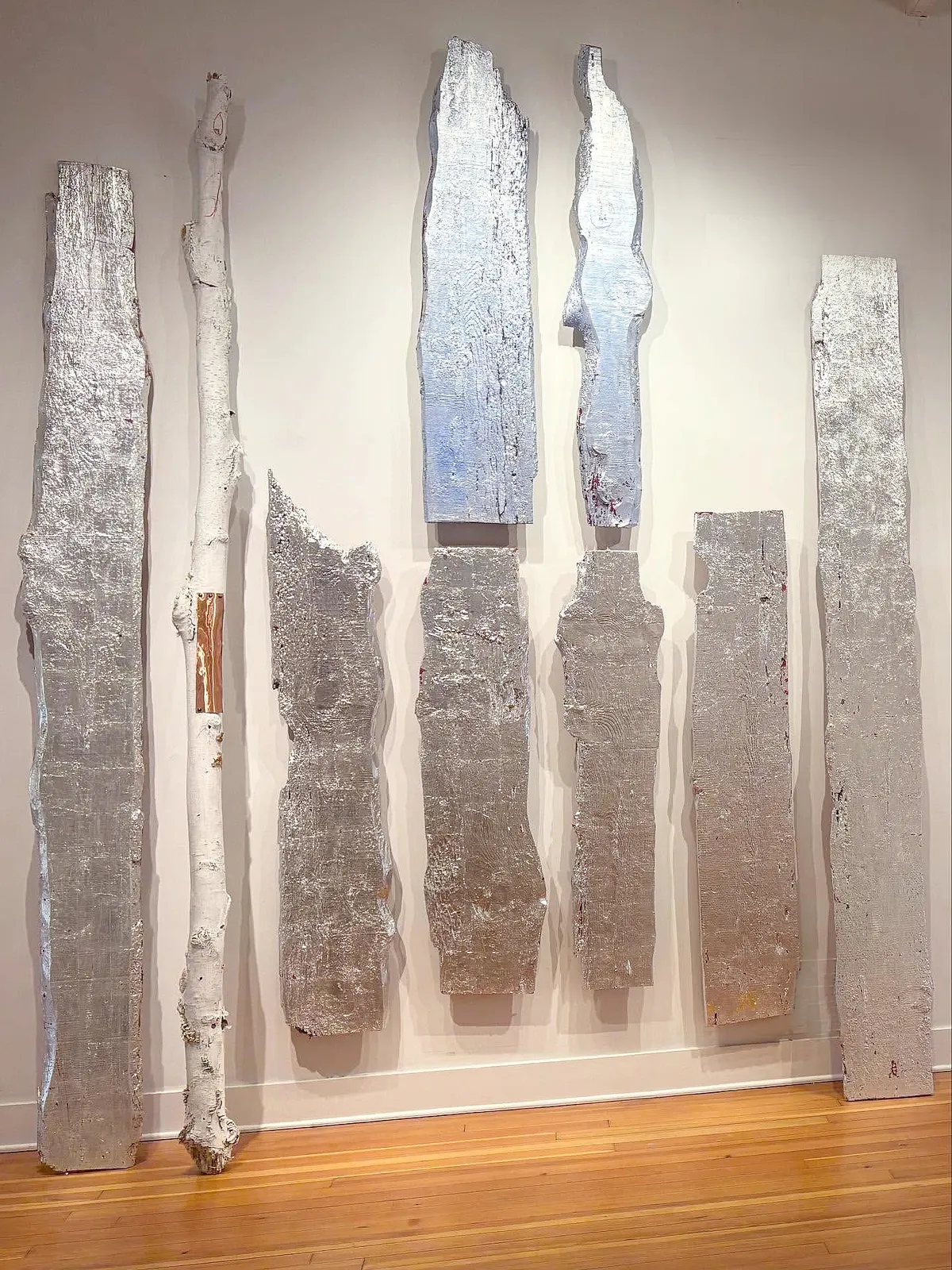

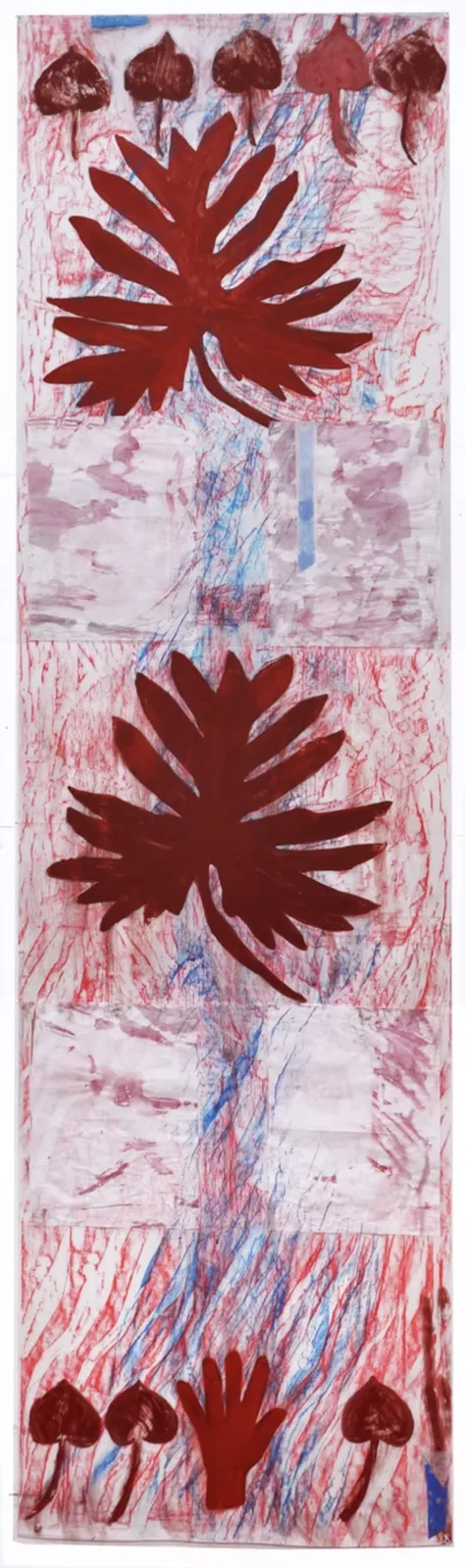


Azara’s work is explicitly feminist in subject and entirely unique in imagery and technique.
Nancy Azara was an artist and feminist educator best known for her carved wood sculpture and mixed media collages. Azara recorded a journey of ideas and memories around the unseen and the unknown in her carvings, wood assemblages, prints and mixed media collage through the use of texture and symbols. She drew inspiration from nature and mystic spiritual traditions. Each piece of Azara’s artwork offers a reflection on the passage of time, spirituality and facets of her own biography. Born in Brooklyn, to a family of Southern Italian origin, Nancy expressed an early interest in gardens and art. Her earliest artistic training took place at Finch College, a women’s college noted for its mix of vocational and liberal arts curriculum, where she studied costume design. A keen attention to the scale and labor of the body remains a strong thread in Azara’s work. After several years working in theater as a costume designer, Azara craved a more personalized mode of expression and a greater artistic challenge. In the mid 1960s, she studied at the Art Students League of New York with expressionist painter Edwin Dickinson and sculptor John Hovannes. Although inspired by this tutelage, Azara’s work is explicitly feminist in subject and entirely unique in imagery and technique. In the 1960s and 70s an interest in spirituality and eastern philosophy interested Azara. She engaged actively with the mystic aspects of Yogic tradition and Zen Buddhism themes and symbols from these traditions can be found throughout her work. As her career developed, Azara’s sculptures and vision resisted the labels and categorization of her peers. Azara rejected many of the lessons of the predominantly male art establishment. She turned to an automatic form of personal journal drawing to access the unconscious (Visual Diaries). She formalized this approach into a popular feminist consciousness-raising technique which was embraced in the nascent feminist art community in New York and groups like Redstockings. These Visual Diaries, were part record keeping, part spiritual practice and part social emotional learning though art. In 1979, Azara co-founded a feminist art school, the New York Feminist Art Institute (1979 to 1990) with Miriam Schapiro, Carol Stronghilos, Irene Peslikis, Lucille Lessane and Selena Whitefeather. Until 1990, NYFAI was an important educational space for female artists and art professionals to examine gender, self, and identity. In 1984 Azara was an advisor to the founding of Ceres Gallery, another feminist non-profit gallery space in New York. Azara is an alumna member of A.I.R Gallery, founded in 1972, as the first all female artists’ cooperative gallery in the United States. Azara developed a distinct style of rich large scale sculpture and mixed media collages of found wood, carved, ornamented and mounted. Instinctive chip carving peels off an outer layer of wood, reaching for an essentialized raw experience of the in body of the limbs, exposing flesh and blood. This work explores life cycles, utilizing the metaphor of tree for personhood. Egg tempera, often in reds and pinks, and gilding recover these exposed layers, exploring folkloric stories of women’s roles, goddess imagery, and affirmation of female self.
- Written by Maeve M. Hogan With special thanks to Katie Cercone and her article "The Healing Art of Nancy Azara," Women's Art Journal, Vol. 31, No. 1 (Spring/Summer, 2010) pp. 35-40. Publ. Old City Publishing, Inc.